Workbless recalled WB0301 and WB0302 pressure washers. Stop use now
CPSC says about 2,200 U.S. units lack an integral GFCI and an adequate-length cord. The published remedy is a refund—not an extension-cord change or field repair.
Utah + national
Source-led operating news for professional power washers: water and runoff, crew safety, equipment, methods, and the business behind the work.
Primary-source claims are separated from association and trade reporting. Check the linked authority before changing a safety or compliance process.
Newest first
Field guides are our reporting. Source updates are concise pointers to the original publisher and retain its status: authority, local guidance, association, or trade press.

CPSC says about 2,200 U.S. units lack an integral GFCI and an adequate-length cord. The published remedy is a refund—not an extension-cord change or field repair.

NAICS 561790 currently uses a $9 million receipts standard. The August 20 draft would place it under a $58 million industry-group ceiling—but current certifications and solicitations have not changed.

COMMOWNER and SUGIFT units carry immediate stop-use and refund instructions. One identifier may exist only in a retailer listing, so a visual check alone is not enough.

The draft keeps narrow wash-water clauses for covered construction sites. It is not final, does not cover every cleaner or Utah job, and does not turn a sediment control into permission to discharge.

A July 22 opinion letter does not make every home-to-first-client trip paid. It shows why substantive scheduling calls, their timing, and employer control can change the federal travel-time analysis for a mobile field worker.

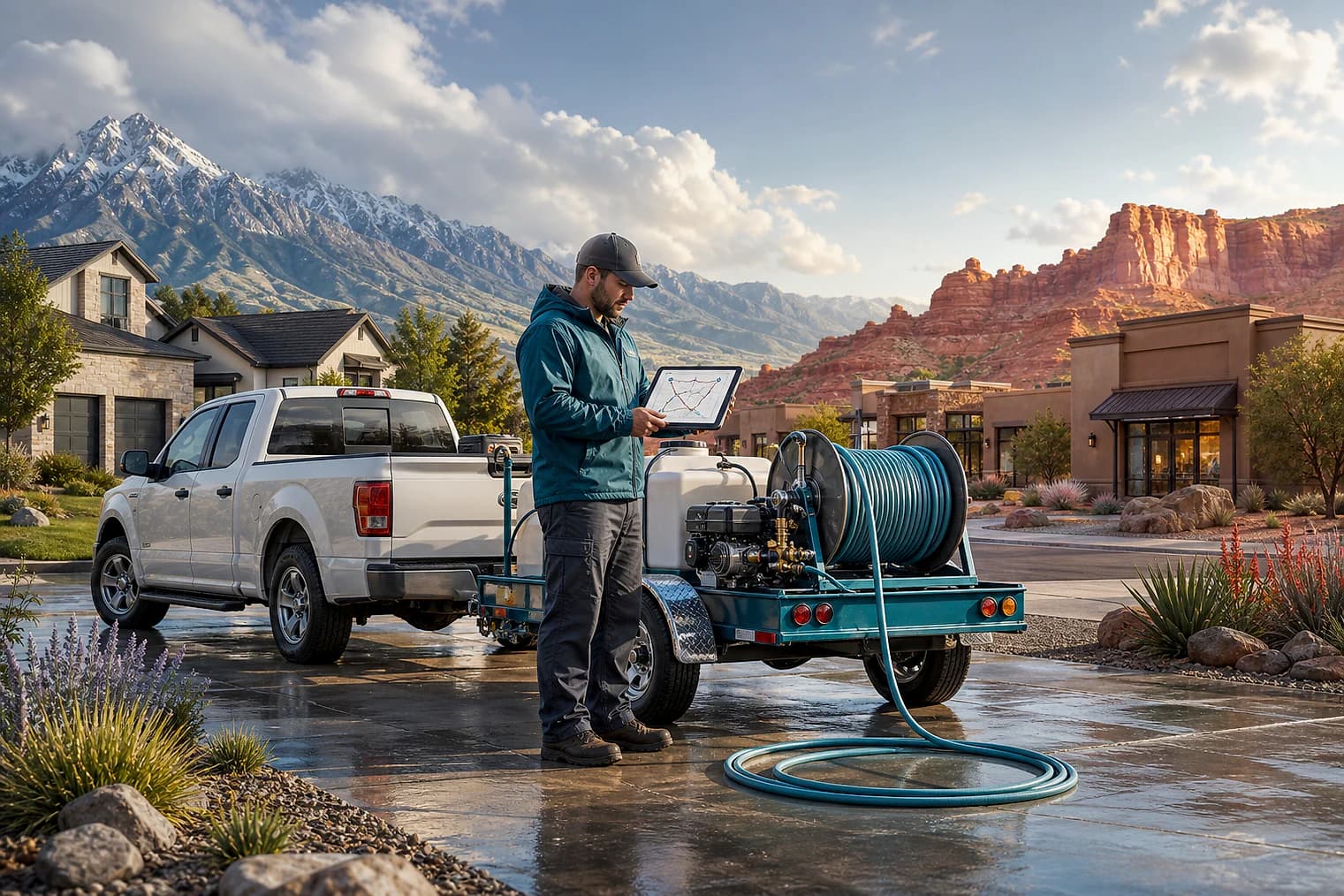
A thaw, a hot wall, and a monsoon gust do more than change the work. They change who is ready to buy, where a crew can profitably route, and what each operating model must charge.

The July proposal is not yet effective and does not turn every house wash into lead work. It is a prompt to separate ordinary cleaning from paid work that disturbs paint on pre-1978 housing or child-occupied facilities.

The state activated drought coordination but did not write one statewide rule for exterior cleaners. The useful response is a job-address check, a water plan, and precise customer language.

The 2026 national emphasis program changes inspection targeting and program evaluation. A short, shift-level heat record makes the contractor's controls visible before anyone is in distress.

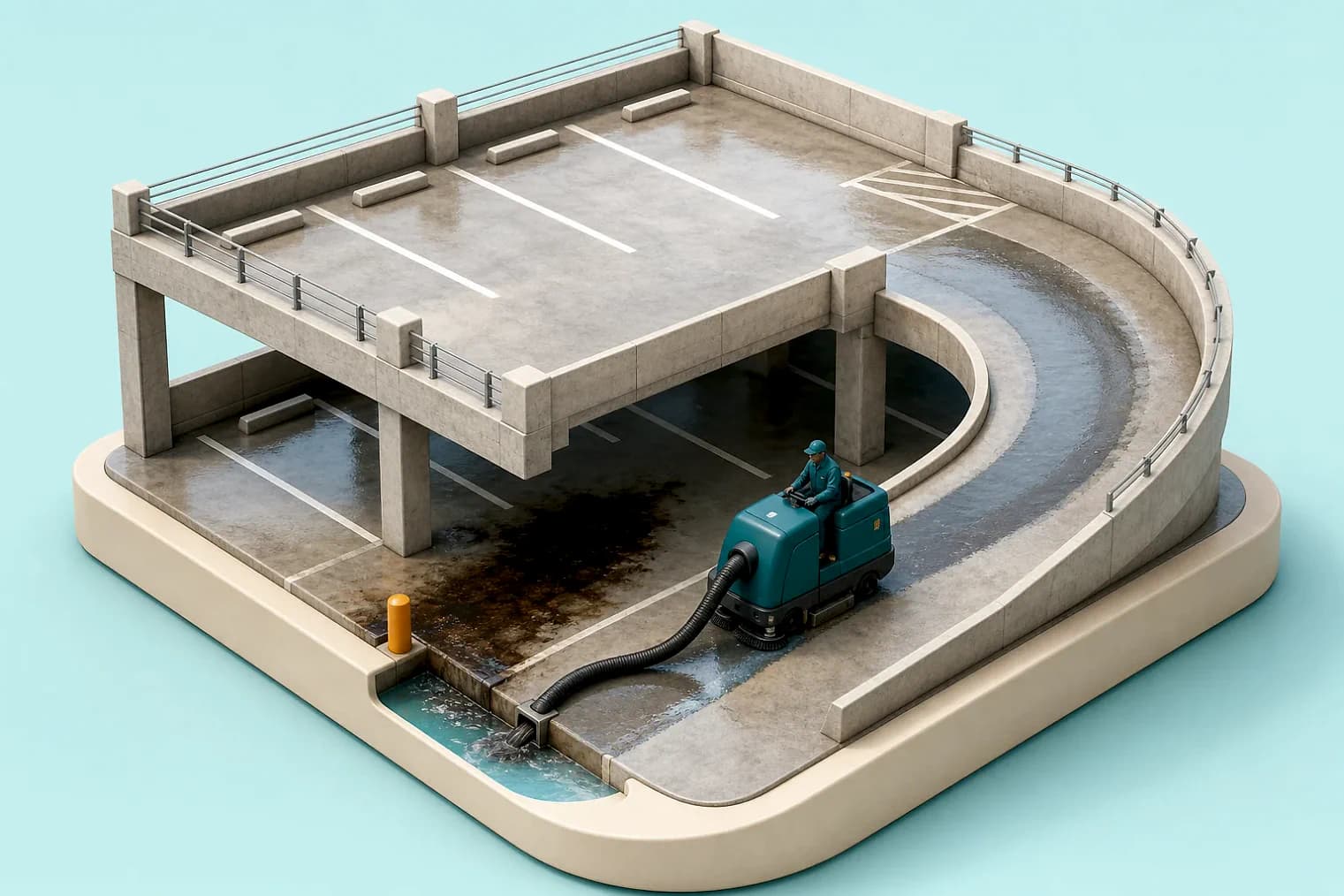
A recovery vacuum is not the plan by itself. Trace the drains, identify the soil, choose controls, confirm disposal, and keep the approval with the job record.

A single total hides surface condition, method, protection, runoff, access, and exclusions. Put those variables in one reusable scope before the customer compares price.

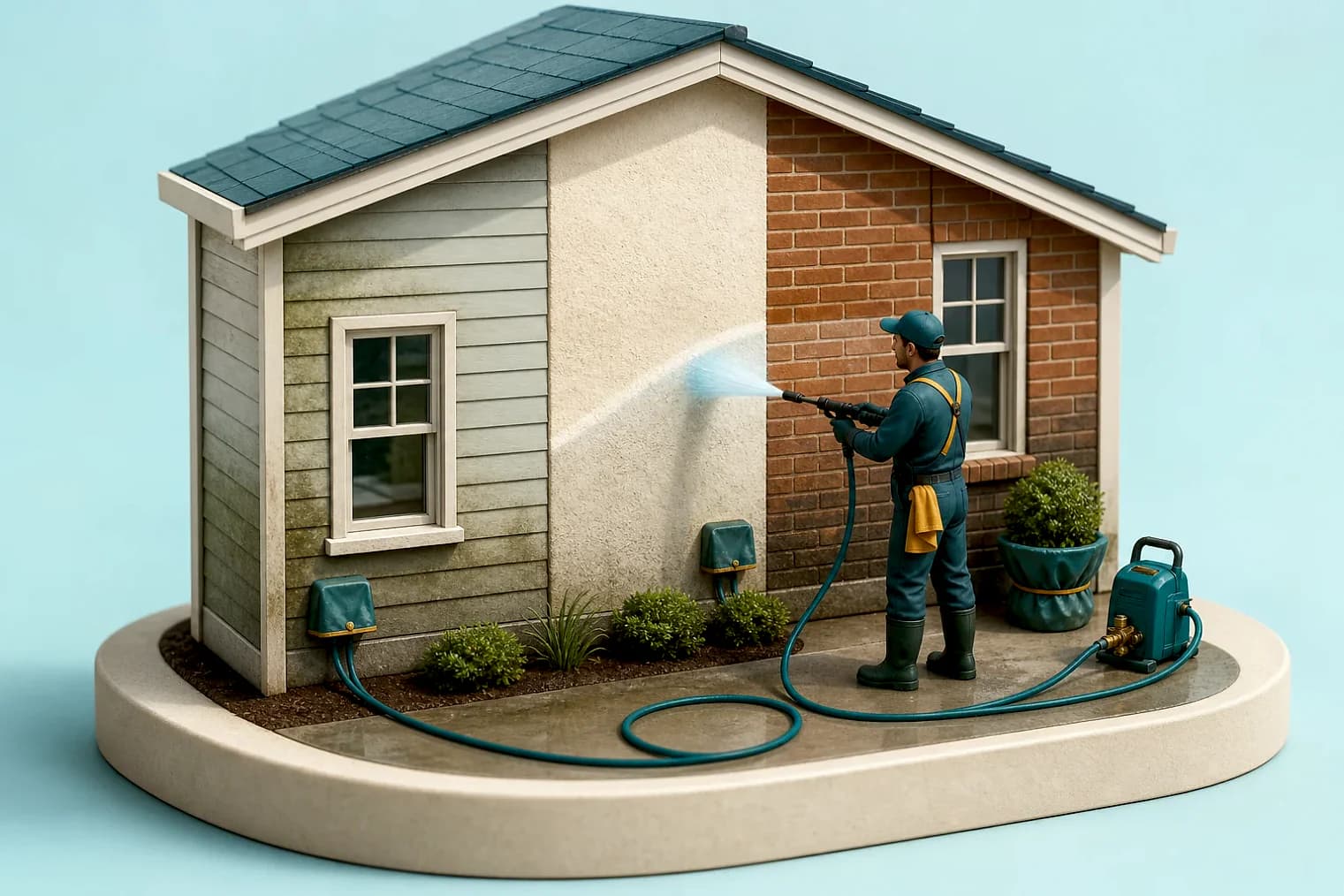
A service label does not fully specify a job. A professional work order records the material-specific pressure, flow, heat, chemistry, dwell, agitation, rinse, protection, and recovery decisions.

The first full week of work is the wrong time to discover freeze damage, stale chemistry, missing PPE, an expired document, or a route whose drainage plan no longer matches the site.
An equipment-maker announcement published by PWNA schedules a July 25 demonstration at Pepperdine University for exterior-cleaning operators and facility teams.
Operator note: Treat performance, labor, access, insurance, and safety claims as vendor claims until they are demonstrated for your jobs and operating conditions.
Utah's June 11 update reports earlier runoff, drying soils, lower reservoir storage, and water-supply conditions that vary by basin.
Operator note: Build a local water-supplier check into dispatch; a statewide condition report is not a substitute for the restrictions or approvals at a specific job address.
The Utah Labor Commission describes voluntary consultation that can help businesses identify hazards, review programs, and train workers outside an enforcement inspection.
Operator note: A small exterior-cleaning company can request help reviewing heat, chemical, equipment, and fall risks before a crew is exposed.
The May 14 recall covers specified electric-start gasoline pressure washers whose start/stop button can malfunction and allow the engine to self-start.
Operator note: Check model and serial numbers, stop using an affected unit in the recalled configuration, and arrange the free repair. The notice allows pull-start use only with the battery removed.
OSHA's April directive refreshes targeted industries, inspection priorities, heat-program evaluation, and citation guidance for indoor and outdoor work.
Operator note: Exterior-cleaning employers should be able to show how a shift accounts for conditions, workload, acclimatization, water, rest, shade, training, and emergencies.
An insurance-industry contributor writing for PWNA describes possible gaps among general liability, care/custody/control language, and optional endorsements for damage to the work surface.
Operator note: Ask an authorized insurance professional to map exclusions and endorsements to your actual mix of buildings, flatwork, fleets, roofs, and customer property.
Source desk
Government documents support regulatory and safety claims. Local guidance is checked against the job's jurisdiction. Association and trade reporting identifies leads; it does not become a rule or an independent product finding.
State and local evidence for where wash water may go, who can approve disposal, and what drought conditions are changing.
Utah water-quality notices, UPDES permits, public comment, and program contacts.
Monitor: Stormwater permits · Discharge requirements · Water-quality notices
Utah's UPDES permit framework for municipal, construction, and industrial stormwater discharges.
Monitor: Permit changes · Best-management practices · Program contacts
Salt Lake City illicit-discharge, industrial, high-risk commercial runoff, and permit information.
Monitor: Mobile-service outreach · Local discharge permits · Inspection priorities
Requirements and contacts for non-domestic wastewater proposed for the sanitary sewer.
Monitor: Sanitary-sewer approval · Discharge limits · Commercial user questionnaires
Regional stormwater contacts and practical resources for commercial facilities and surface cleaning.
Monitor: Pressure-washing BMPs · Commercial runoff · Spill reporting
State drought, snowpack, reservoir, conservation, and water-supply updates.
Monitor: Drought declarations · Water-supply conditions · Conservation actions
State-plan safety information and assistance for Utah employers running outdoor crews.
Utah workplace-safety standards, consultation, training, enforcement, and employer resources.
Monitor: Outdoor worker safety · Consultation services · State-plan changes
Utah's official twice-monthly publication for proposed and effective administrative-rule changes.
Monitor: R317 water quality · R614 workplace safety · Relevant licensing rules
Federal primary sources for worker protection, water discharge, equipment warnings, and recalls.
Federal workplace-safety rules, enforcement programs, news releases, and compliance resources.
Monitor: Heat and fall programs · Chemical safety · Small-business assistance
High-pressure injection, electrical, flying-debris, and gasoline-engine carbon-monoxide hazards.
Monitor: Crew safety guidance · Injury prevention · Gasoline-engine hazards
Federal Clean Water Act, stormwater, wastewater, and water-program announcements.
Monitor: Rule changes · Compliance initiatives · Water enforcement
Federal Clean Water Act discharge-permit information and stormwater compliance resources.
Monitor: NPDES rules · Stormwater BMPs · Enforcement and guidance
Official recall and safety-warning records for pressure-washer equipment.
Monitor: Equipment recalls · Stop-use warnings · Repair instructions
Official publication-stage record for proposed rules, final rules, notices, dates, and comment periods.
Monitor: EPA notices · OSHA rulemaking · CPSC actions
Industry reporting that identifies training, technology, insurance, and operating leads to verify before acting on them.
Contractor training, safety, business, equipment, and association announcements.
Monitor: Industry events · Training · Contractor operations
Manufacturer and distributor perspective on equipment, training, standards, and market developments.
Monitor: Equipment standards · Technical training · Manufacturer issues
Industrial high-pressure waterjet safety reports and practice resources; broader than ordinary exterior cleaning.
Monitor: High-pressure incidents · Industrial waterjet practice · Safety publications
Professional pressure-cleaning equipment, business, technical, and market reporting.
Monitor: Equipment developments · Operator practice · Market leads