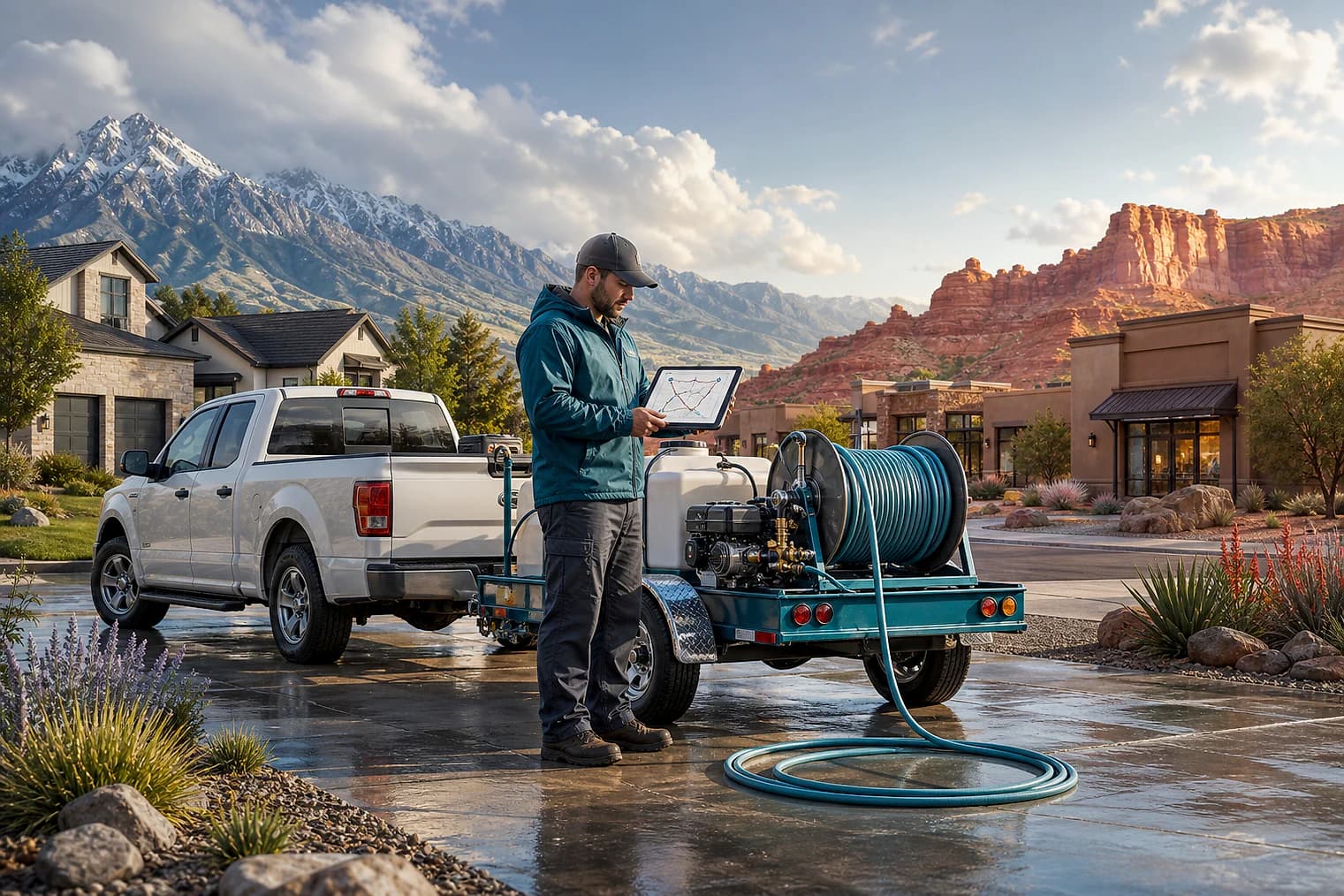
This is a field-worker opinion, not a commute switch
On July 22, the U.S. Department of Labor's Wage and Hour Division issued FLSA2026-10. The requester was a field service engineer with no reporting office who drove an employer-provided SUV from home to a first client, between client sites, and home after the last appointment. During the hour before the paid shift, the worker received service requests, called clients, and sometimes scheduled other engineers.
The letter is an official Wage and Hour interpretation for purposes of the Portal-to-Portal Act, but it applies the Fair Labor Standards Act to the facts the requester supplied. The letter warns that missing or different facts could produce a different conclusion, and the federal hours-worked regulations say courts make the ultimate interpretive decisions. It is not a new rule or an individual payroll determination for an exterior-cleaning company.
The pages and the scheduling calls received different answers
Each page took approximately 15 seconds to accept. Wage and Hour treated that minimal acceptance before any other work activity and before the workday as incidental to a qualifying employer-vehicle commute—not as noncompensable merely because it lasted 15 seconds. The letter assumed the SUV was a type normally used for commuting, the travel was within the normal commuting area for the employer's business or establishment, and vehicle use was subject to the agreement ECFA requires.
Calling clients to arrange appointments and calling other engineers to fulfill service requests was different. The division concluded that this required activity primarily benefited the employer and was integral to the worker's client-site service, so the call time was compensable. For a washing company, the narrow operational comparison is between the letter's approximately 15-second acceptance of a service-request page under its ECFA assumptions and required client or crew scheduling work. The letter did not classify route review, access decisions, scope decisions, or other dispatch tasks.
The first-client drive still did not get one blanket answer
For the letter's assumed first-scenario workday, the worker received five pages over the 7-to-8 a.m. hour, spent 50 minutes scheduling appointments, and then left at 8 a.m., when the regular paid shift began, for the first site. Wage and Hour found that drive compensable because substantial required work occurred immediately before it, principal work followed immediately at the site, and employer needs largely determined the trip's time and manner. The letter warned that a day materially different from that assumed pattern could instead involve an ordinary, noncompensable commute; it contrasted work that may be completed within a long, flexible window.
In the second scenario's example, the worker left at 6 a.m. for an 8:30 appointment. Wage and Hour treated the period from 6 a.m. until the first client-scheduling call—at least until 7 a.m. on the stated facts—as ordinary, noncompensable home-to-work travel. Assuming the worker regularly had to plan to spend much of 7-to-8 making those calls throughout the drive, the division treated travel from the first call through arrival as compensable. It did not decide how less extensive calls would affect the remaining drive; the call time itself is worktime under any such pattern. It also did not decide whether the employer's overall pay practice already compensated all hours worked.
Do not extend this first- and last-commute analysis to every route segment. Under 29 CFR 785.38, travel from job site to job site during the workday is part of the day's work and must be counted. Travel from a designated reporting or meeting place to the worksite must also be counted when the employee is required to report there for instructions, other work, or to pick up and carry tools.
Audit the route as work, not as one mileage block
- For each worker, confirm employee status, FLSA coverage, any exemption or classification issue, the applicable workweek, the ECFA vehicle-use facts and agreement, and every relevant state or local wage rule. The letter does not decide employee-versus-independent-contractor status or an overtime exemption, and another jurisdiction, collective-bargaining agreement, contract, custom, or employer policy may require more compensation than the federal FLSA analysis.
- Separate home-to-first-site, site-to-site, required reporting-place, supply pickup, and last-site-to-home segments.
- List every pre-route and in-route task, who requires or permits it, what it accomplishes, and whether the employer knows it occurs.
- Record when each task must happen, its actual duration and frequency, and the freedom the worker retains before and during travel.
- Compare dispatch, phone, time, vehicle, and route records; have qualified wage-and-hour support review federal, state, contract, and policy requirements before changing payroll treatment.
Keep pay analysis separate from driving permission
The letter addressed only FLSA compensability; it did not analyze traffic law, device-use restrictions, or company safety rules. Check the rules governing each route before assigning any in-vehicle task, and do not turn the letter's factual scenario into a dispatch instruction.
A representative process audit can identify failure points, but it does not replace recording and paying all compensable time the employer knows or has reason to believe is worked. Document how the mobile crew's day actually begins and moves: what the employee does, when the employer requires it, which travel segment follows, and what the time record captures. Preserve the facts and obtain company- and jurisdiction-specific wage-and-hour guidance instead of announcing that every first-job drive is either always paid or always a commute.